
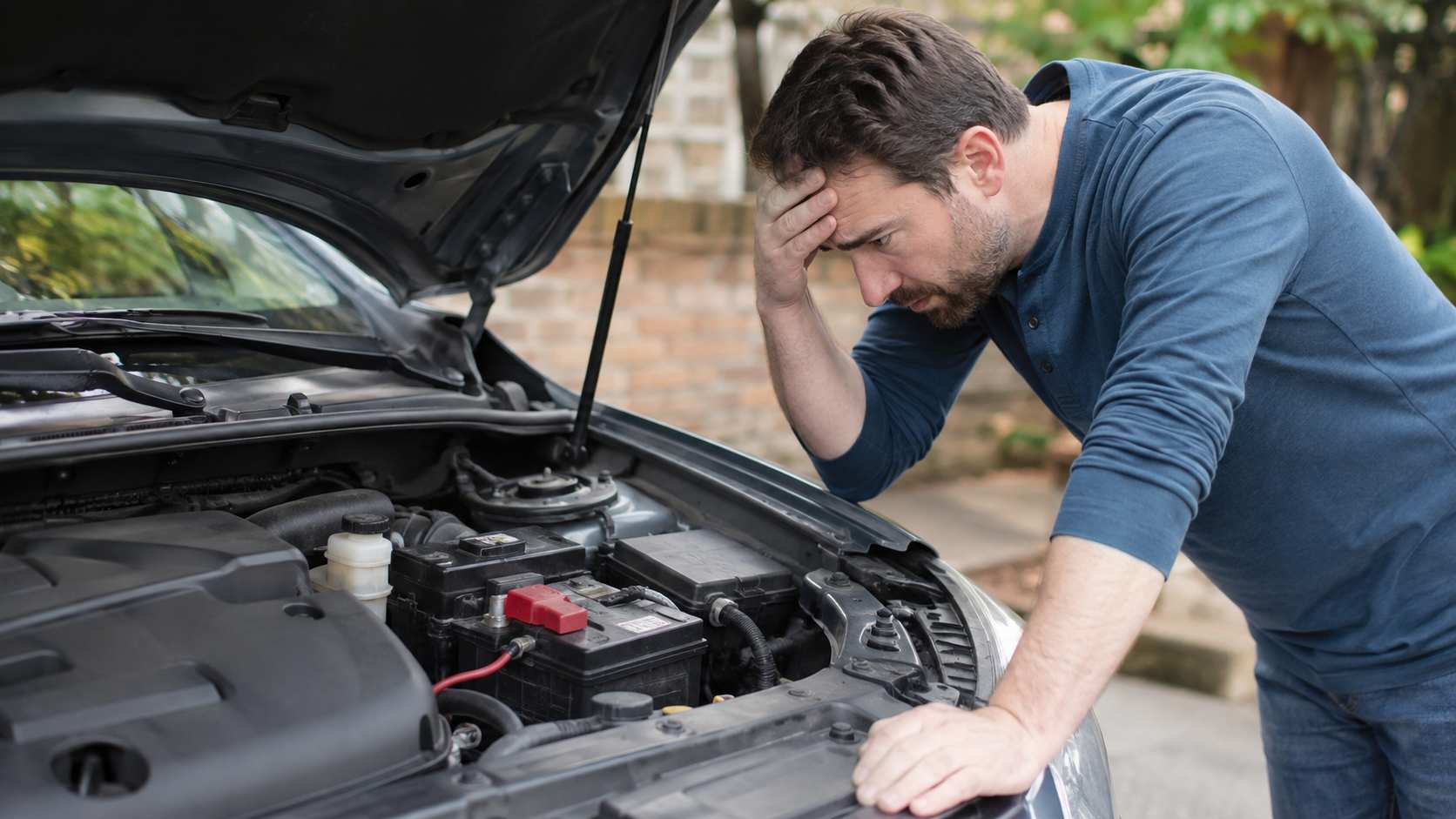
Fitting a new battery and finding the car still refuses to start is a particular kind of annoyance, partly because it means money has been spent without result. It is also genuinely informative. A new battery that changes nothing has just eliminated the most common cause of no-starts entirely, and a new battery that works for a week and then dies has revealed that something else was killing the old one all along.
Did the new battery change anything at all?
Start by being precise about the behaviour. If the car cranks strongly now but does not fire, the battery has done its job and the fault has always been in fuel, spark or a sensor. If it still clicks or does nothing, the battery was probably never the problem, and attention should move to the connections and the starter circuit. These two outcomes send you in completely different directions, so it is worth noting which one you have before doing anything else.
Are the connections actually good?
New batteries get fitted quickly, and clamps that are only finger tight are extremely common. A clamp that can be twisted by hand is not making a reliable connection, and the enormous current a starter draws will find any weakness. Check that both clamps are properly tightened, that the posts and clamps are clean, and that no old corrosion has been left on the cable ends. It is also worth confirming the battery is the right specification, since a unit with lower cranking capacity than the car was designed for may struggle on a cold morning.
What if it goes flat again within days?
Then something is drawing current while the car is parked, or the charging system is not putting current back. A parasitic drain is measured by a garage with a meter in series with the battery, and the usual suspects are boot and glovebox lamps, aftermarket alarms, trackers and dashcams wired to a permanent live, and door or bonnet switches that never register as closed. A drain that flattens a healthy battery within a few days is well above normal standing loss and will not resolve itself.
Could the alternator be the real fault?
Very possibly, and it is the classic reason people buy two batteries in a row. If the alternator is not charging properly, the car runs on the battery until it is empty, which looks exactly like a failing battery. The clues are a battery warning light that comes on or flickers while driving, headlights that dim at idle and brighten when revved, and a car that runs fine until it is switched off and then will not restart. A charging system test takes minutes and most garages will do it free.
What about the earth side of the circuit?
The return path matters as much as the supply. Braided earth straps between the engine, the body and the battery corrode from the inside and fail in ways that look identical to a dead battery. Because the strap is often hidden and rarely inspected, this fault survives multiple battery replacements. Follow the negative cable to both of its ends and check for corrosion, looseness or a frayed braid, and replace anything that looks tired.
What should you do next?
Have the charging system tested, check the earth straps and terminal tightness, and if the battery keeps dying overnight ask for a parasitic drain test specifically. Replacing a battery is a reasonable first move when the old one is beyond five years old, but if the new one has not solved it, stop buying parts and get the circuit measured. A drain or charging fault will destroy the new battery as thoroughly as it destroyed the old one, usually within a matter of weeks.
Keep the receipt as well, because batteries do occasionally leave the factory faulty and most carry a warranty of three years or more. A supplier will normally test a suspect unit on the spot, and a battery that fails that test is replaced rather than argued about.


