
Juddering is usually uncomfortable rather than dangerous, and most people reasonably continue driving while they arrange to have it looked at. A small number of versions are different, either because they represent a loss of control or because they are causing expensive damage in the background while you decide. Knowing which is which is worth a few minutes.
Which version causes the most expensive damage?
A misfire, because unburnt fuel passes into the exhaust and ignites inside the catalytic converter, where temperatures rise far beyond what the substrate survives. If the engine management light is flashing rather than steady, that is happening right now. A converter is an expensive component, and adding one to the cost of a set of spark plugs is an avoidable outcome.
What should you do about a flashing light?
Reduce power immediately, avoid hills and heavy loads, and keep the journey as short as possible, preferably ending at a garage. If the light stops flashing at light throttle, that confirms the misfire is load related and gentle driving is limiting the damage. It is one of the few dashboard behaviours that genuinely changes what you should do in the next five minutes.
Does transmission judder cause damage?
It can. A slipping automatic generates heat, heat degrades the fluid, degraded fluid provides less friction and more slipping. That loop accelerates, which is why a transmission that has been shuddering mildly for months can fail comprehensively over a short period. A juddering clutch is similar, since every slip glazes the friction material further.
Which juddering is a control concern?
Anything accompanied by a sudden loss of power, particularly on a fast road, since being unable to accelerate when you need to is genuinely hazardous. Juddering that comes with a pull to one side. And anything that arrives together with a warning light for steering, braking or stability systems, since those indicate a system has disabled itself rather than an engine running unevenly.
Which versions can reasonably wait?
A mild judder pulling away that has been the same for weeks. Slight shunt in traffic. A shudder only in cold weather that clears once warm. Light throttle judder with no warning light. None of these will fail suddenly, though all of them are worth resolving before they develop, and all of them tend to worsen rather than settle.
Does rate of change matter?
More than severity. A moderate judder unchanged for six months is stable and reporting wear. A mild judder that has doubled in a fortnight is reporting something deteriorating quickly, which usually means a component approaching failure. That distinction is more useful than how strong the sensation feels, and it is worth keeping track of.
What about juddering under braking?
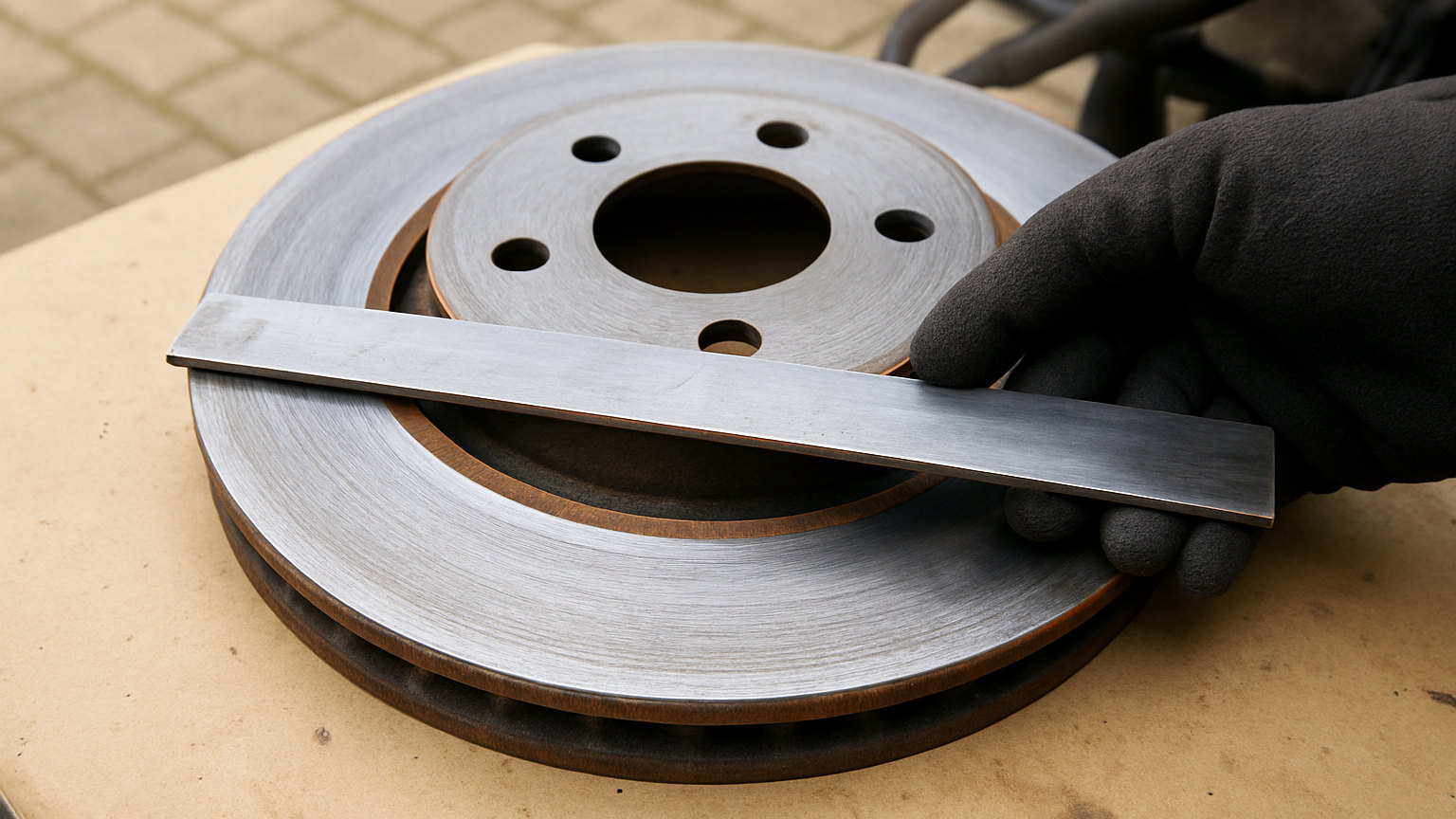
That is a brake condition rather than a driveline one, usually disc thickness variation, and it affects braking performance to a degree. It is not an emergency but it does get progressively worse and it should not be ignored, particularly if accompanied by a pedal that pulses noticeably or a car that pulls under braking.
What is the sensible general approach?
Read the fault codes early, since that costs very little and identifies the misfire cases that matter most. Note whether the symptom is stable or worsening. And treat a flashing engine light, a sudden power loss or any accompanying red warning as reasons to stop rather than to continue. Everything else is a booking rather than an emergency.
What if you are mid journey?
Reduce speed and load, avoid fast roads where a sudden loss of power would be dangerous, and shorten the journey if you reasonably can. If the car is losing power as well as juddering, stopping somewhere safe and arranging recovery is a better decision than continuing and discovering the limit at seventy in a live lane.
Recovery costs a fraction of a catalytic converter, and considerably less than the consequences of losing power where you cannot pull over.


