
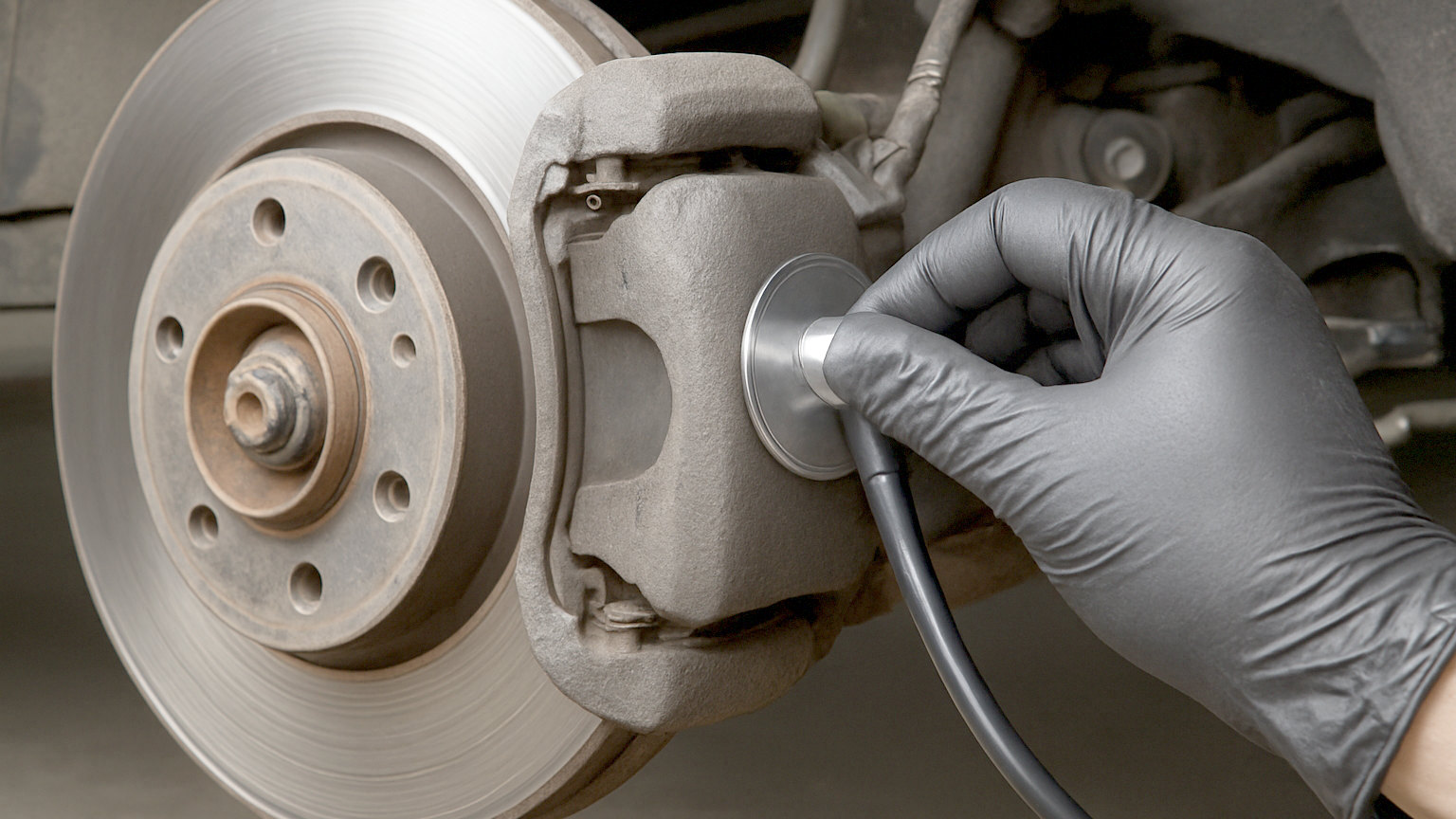
The single most frustrating experience in car ownership is booking a car in for a noise, being told nothing could be found, and hearing it again on the drive home. The usual reason is that the description given was about the sound rather than about the circumstances, and adjectives are far less useful than conditions when someone is trying to reproduce a fault.
Why are adjectives unreliable?
Because one person clunk is another person knock and a third person thud, and none of those words has an agreed meaning. Two people sitting in the same car frequently describe the same noise quite differently. A mechanic hearing knocking may reasonably start with the suspension while you meant something from the engine. Conditions, by contrast, mean the same thing to everybody.
What are the details that matter?
Whether it follows road speed or engine speed, which is answered by coasting in neutral. The speed or rev range at which it appears. What you are doing at the time: braking, accelerating, cruising, turning, going over bumps or idling. Whether it happens cold or hot, wet or dry. And where in the car you feel or hear it, even if that turns out to be misleading.
Why does the timeline help?
Because it frequently identifies the cause on its own. A noise that appeared the week after new tyres, a kerb strike, a service or a pothole has an obvious suspect, and mentioning it saves the workshop from starting at the beginning. Equally, a noise that has been there for two years and is unchanged is a different proposition from one that started a fortnight ago and is worsening.
How useful is a video?
Extremely, and it is the single best thing you can bring. A phone recording made with the window down, or with the phone in the footwell, captures a noise that may refuse to appear on the day of the appointment. Say the speed and what you are doing out loud while recording, since that makes the clip self explanatory. Several short clips from different conditions are better than one long one.
Should you go out in the car with the mechanic?
Wherever possible, yes. Ten minutes on a road test with you pointing out the noise as it happens is worth an hour of workshop time. It also removes any risk of the wrong noise being investigated, which is a genuinely common outcome when a car has more than one thing making a sound. Most workshops will happily do this if you ask when booking.
What about intermittent noises?
These are the hardest and they need the most preparation. Keep a note of each occurrence with the date, the weather, how long the car had been running and what you were doing. Three entries often reveal a pattern that no single test would find, such as a fault that only appears once everything is hot, or only in the rain.
Why does any of this save money?
Because you are paying for diagnostic time. A workshop given a road speed, a condition and a video usually goes straight to the right area. One given a car that makes a funny noise starts with a general inspection and works outwards. The difference is frequently an hour or more of labour, which is a real saving for ten minutes of preparation.
What should you avoid doing?
Offering a diagnosis rather than a description, since it anchors the investigation and can send it in the wrong direction. Mentioning only the noise that bothers you most when there are several. And clearing warning lights before the visit, which deletes evidence. Describe what the car does, provide the recording, and let the workshop reach its own conclusion from better information.
What if they cannot find it?
Ask what was checked and ruled out, since that is useful information rather than a wasted visit. Then continue gathering evidence about when it happens, and go back when you can describe a repeatable condition. An intermittent noise is usually solved by a pattern rather than by an inspection.


