
A fuse is a deliberate weak point. It is designed to be the first thing that fails when current exceeds what the wiring can safely carry, so that a piece of inexpensive metal melts instead of a wiring loom catching fire. A fuse that keeps blowing is therefore not a faulty fuse. It is a component doing exactly what it was fitted to do, repeatedly, because something else is wrong.
What is the difference between a short and an overload?
A short circuit is current finding an unintended path, usually a live wire touching earth somewhere it should not, which produces an enormous current instantly. An overload is a circuit being asked to supply more than it was designed for, which happens when accessories are added or a motor begins to seize and draw more current as it struggles. Shorts blow fuses instantly; overloads blow them gradually.
Why must you never fit a larger fuse?
Because the fuse rating is chosen to protect the wire, not the component. A circuit wired with cable rated for ten amps and fitted with a twenty amp fuse will allow twice the safe current to flow through that cable before anything intervenes. The wire then becomes the weak point and heats up inside the loom, melting insulation and causing fires. This is one of the genuinely dangerous shortcuts in car maintenance.
When does it blow?
This is the most useful question, and the answer narrows the diagnosis considerably. A fuse that blows the instant it is fitted indicates a permanent short. One that blows when a particular switch is used points at that component or the wiring beyond it. One that blows over bumps or on full steering lock suggests a wire chafing intermittently against something that moves. One that blows in the rain points at water entering a connector.
Where do shorts usually occur?
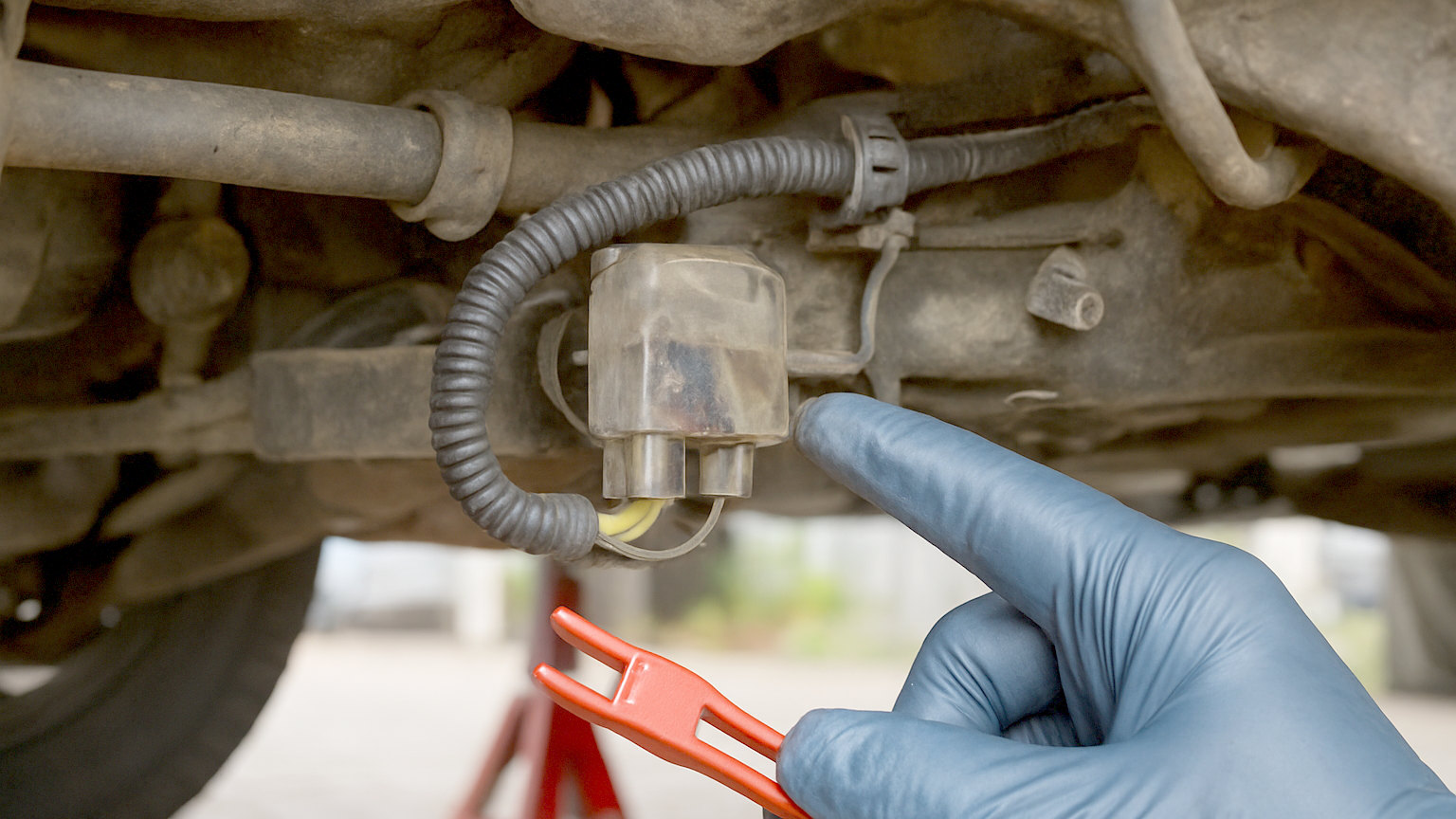
Where wiring moves or rubs. The flexible gaiters between the body and the doors or tailgate, where wires flex thousands of times. Anywhere a loom passes through a metal panel and the protective grommet has perished, allowing the edge to cut through insulation. Behind the dashboard where wiring is disturbed during work. And under the car, where road debris and corrosion attack the loom directly.
What about a seizing motor?
A very common cause of gradual fuse failure. Window motors, wiper motors, blower fans and fuel pumps all draw more current as their bearings wear or their mechanisms stiffen, and eventually that draw exceeds the fuse rating. The clue is that the component still works but sounds laboured, slow or noisy. In that case the fuse is reporting a mechanical problem rather than an electrical one.
Can you find the fault yourself?
Sometimes. Start by identifying every component on that circuit using the fuse box diagram or the handbook, then disconnect them one at a time and see whether the fuse survives. Inspect visible wiring for chafing, particularly where it crosses metal edges or flexes. Look for green corrosion or melted plastic at connectors. That approach solves many faults without any specialist equipment.
What do professionals use?
A circuit breaker fitted in place of the fuse, which resets itself rather than blowing, allowing the circuit to be tested repeatedly without a bag of fuses. Combined with a clamp meter, the current draw can be measured and the wiring traced by following the magnetic field along the loom. A short finder does much the same by pulsing the circuit and tracking the pulse with a probe.
What should you not do?
Fit a larger fuse, bridge the fuse with wire or foil, or keep replacing the fuse and hoping. Each of those removes the protection while leaving the fault, and a short circuit left unprotected in a wiring loom is one of the more common causes of vehicle fires. If a fuse blows twice, stop replacing it and find out why.
How urgent is it?
It depends what the circuit does. A blown fuse for the cigarette lighter is an inconvenience. One protecting the lights, wipers, fuel pump or engine management is a safety matter, since those failing while driving creates real risk. Either way the underlying fault will not improve on its own, and a chafing wire only wears further.


