
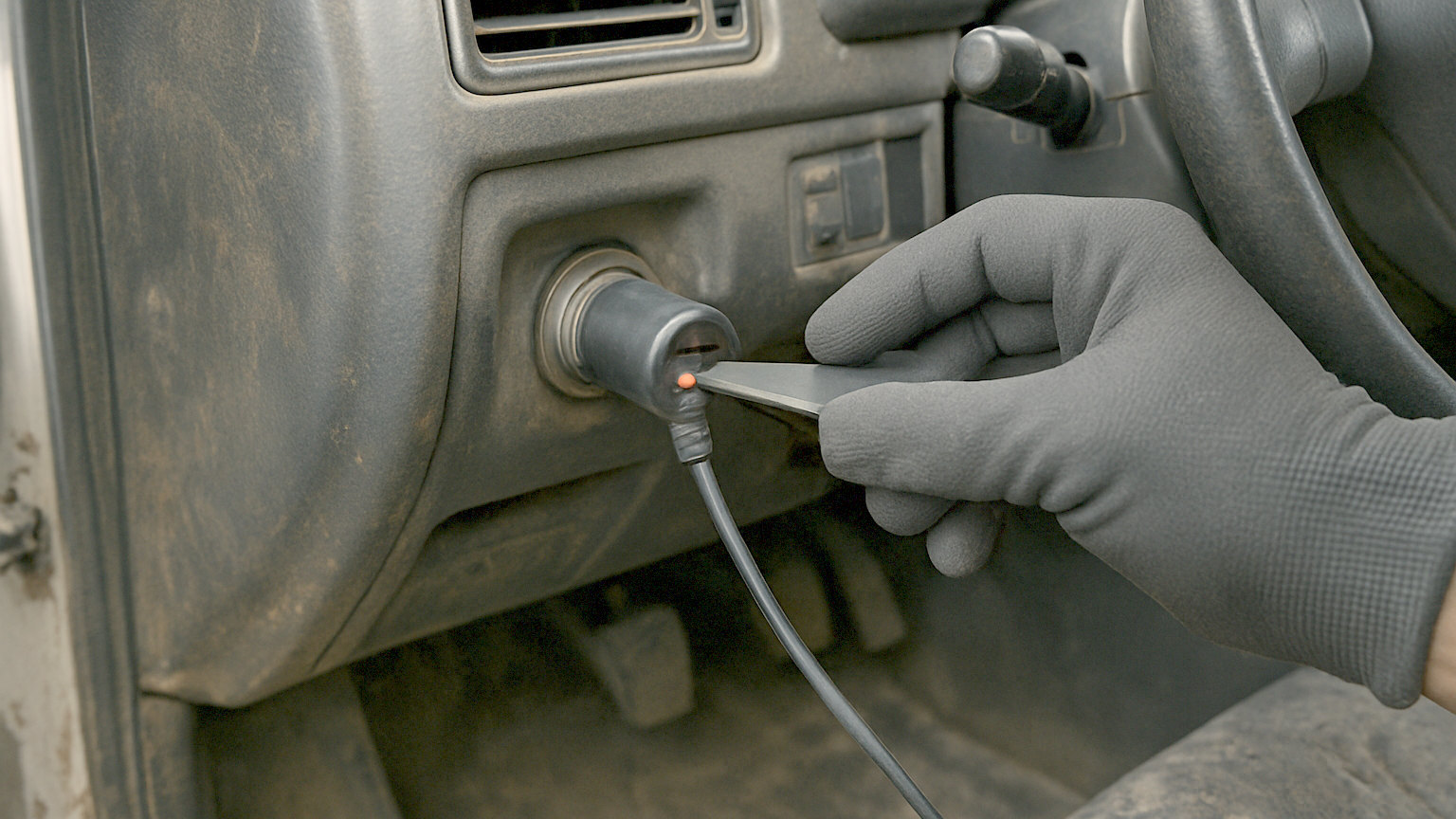
A car that starts perfectly when used daily and is flat after a week away is displaying a parasitic drain, and aftermarket accessories are among the most common causes. Every modern car draws a small current with everything switched off, and the question is whether that draw is normal or whether something is keeping the electrics awake.
What is a normal draw?
Typically somewhere between twenty and fifty milliamps once everything has gone to sleep, which a healthy battery supports for weeks. Anything meaningfully above that will flatten a battery over days rather than weeks. The important detail is that it must be measured after the car has settled, not immediately after switching off.
Why do modules take time to sleep?
Because they remain active for a period after the car is locked, sometimes twenty minutes or more, communicating and completing tasks before shutting down. Measuring the draw straight away shows a figure many times higher than the true resting value. That is why a proper measurement involves connecting a meter and then waiting.
Which accessories cause it?
Dash cameras left on a permanently live socket. Phone chargers, which draw a little even with nothing plugged in. Aftermarket alarms and trackers, which are designed to stay awake and vary enormously in how much they use. Amplifiers that fail to switch off. And anything installed by splicing into a permanent supply without a relay.
How is a drain measured?
With a multimeter in series with the battery negative lead, reading current, and the car locked and left to settle. Modern practice frequently uses a clamp meter around the lead instead, since that avoids disturbing the connection and waking everything up again. Either way, patience while the car goes to sleep is what makes the reading meaningful.
What is the fuse pull test?
With the meter connected and a drain confirmed, fuses are removed one at a time while watching the reading. A significant drop identifies the circuit. It is methodical rather than clever, and it works. Some cars object to fuses being removed and wake up again, which is why an experienced technician allows time between each one.
Can a factory fault cause it?
Certainly. A module that fails to sleep, a boot or bonnet switch reporting a door as open, or a water damaged connector all keep the car awake. That is worth remembering before blaming an accessory, particularly on a car with damp carpets, since water reaching a module is a common cause of a drain that appears without any accessory being fitted.
Does the battery matter?
Considerably, and it is frequently the real answer. A battery that has lost capacity fails after a few days where a healthy one would last a fortnight, so the drain that has always existed suddenly becomes a problem. Testing the battery before chasing a drain is worth doing, since replacing a tired battery sometimes resolves the whole complaint.
What should you do if the car stands?
Unplug accessories, use a battery conditioner if a supply is available, and drive the car properly rather than briefly every few weeks. A short run does not replace what a long stand consumes. If none of that is practical, disconnecting the battery is effective, provided you are prepared to reset the clock and any learned settings afterwards.
Does a solar charger help?
Modestly, and expectations should be realistic. A small panel on the dashboard delivers very little in British winter light, which is exactly when the problem is worst. A larger panel in a sunny position can offset a small drain over summer. For a car standing through winter, a proper mains conditioner is considerably more effective and not much more expensive.
Where no mains supply is available, disconnecting the negative terminal remains the most reliable option for a car being left for a month or more, provided the radio code and settings are noted first.


