
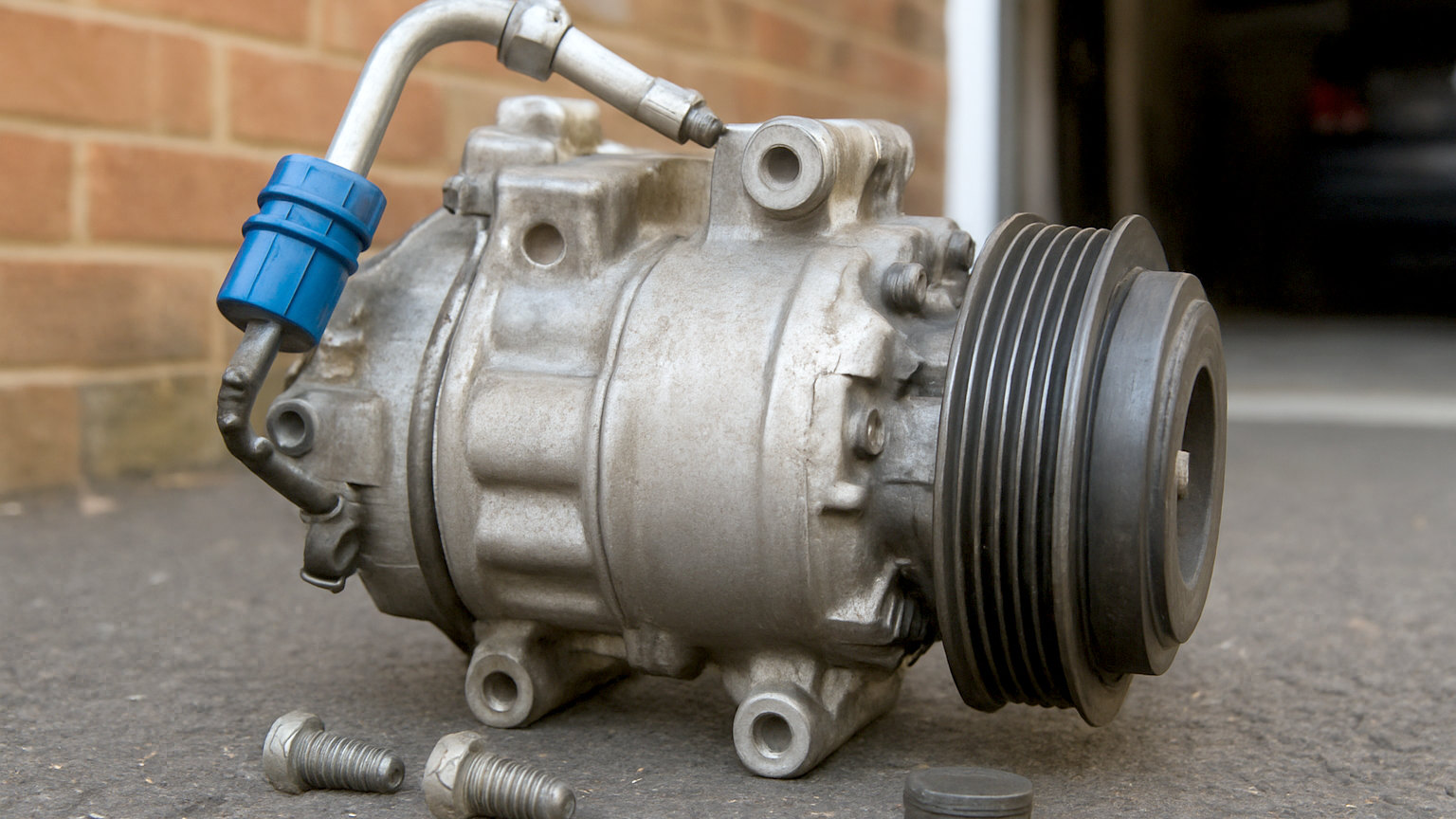
Air conditioning is not a sealed for life system in practice, since refrigerant permeates slowly through hoses and seals even when everything is working correctly. A modest loss each year is normal and expected. What is not normal is a system that needs recharging every summer, and understanding the difference prevents paying repeatedly for a problem that is never fixed.
What is a normal rate of loss?
Manufacturers generally expect a few percent of the charge to be lost annually, which means a system might need attention every three to five years to remain fully effective. That figure varies with age, climate and how much the car is used. A system holding its charge for five years is behaving well; one losing it in twelve months is not.
What does regassing actually involve?
A machine recovers whatever refrigerant remains, weighs it, evacuates the system under vacuum to remove air and moisture, then refills with the exact weight the manufacturer specifies, along with the correct oil. The recovered weight is genuinely useful information, since it tells you how much has been lost and therefore whether there is a leak.
Why does the recovered weight matter?
Because it turns a guess into a measurement. If a system that should hold five hundred grams gives back four hundred and fifty after two years, that is normal permeation. If it gives back two hundred, refrigerant is escaping and simply refilling it means paying again next year. Asking for that figure is the single most useful question at a regas.
Should a leak test be included?
It should be offered at minimum. Modern machines run a vacuum hold test, checking whether the system maintains vacuum for several minutes, which reveals a significant leak immediately. Beyond that, ultraviolet dye added to the oil shows up under a lamp at the leak point, and electronic detectors sniff for escaping refrigerant. None of that takes long.
Where do leaks usually occur?
The condenser, which sits at the front of the car and is regularly hit by stones and corroded by salt. Hose connections and their seals, which harden with age. The compressor shaft seal, particularly on a system that has stood unused. And the Schrader valves at the service ports, which are cheap to replace and easy to overlook.
Is a cheap regas worth having?
Only if it includes recovery, weighing, vacuum and a correctly weighed refill. A very cheap offer that simply adds gas until the vents feel cold is not a service, and overfilling a system reduces cooling and can damage the compressor. The equipment and the refrigerant both cost money, so a price well below the market rate usually means something is being skipped.
What about aerosol top up kits?
They are widely sold and generally a poor idea. There is no way to know how much refrigerant is already in the system, so overfilling is easy, and many contain sealant that can block components and contaminate a workshop recovery machine. Some garages will refuse to work on a system that has had one used, which is worth knowing beforehand.
What is the sensible approach?
Have the system checked when cooling performance drops rather than to a fixed schedule, and ask what weight was recovered. If it points at a leak, have that found and repaired before recharging. Run the system regularly year round to keep the seals lubricated, which does more to prevent leaks than any service interval.
Does it need doing before summer?
Booking in spring is sensible if performance has dropped, since workshops become busy the moment the weather turns and waiting times lengthen considerably. There is no benefit in an annual regas on a system that is cooling perfectly well, so the trigger should be performance rather than the calendar.
What is worth doing every year regardless is running the system through winter and keeping the condenser clear, since both are free and both prevent the problems a service has to fix.


