
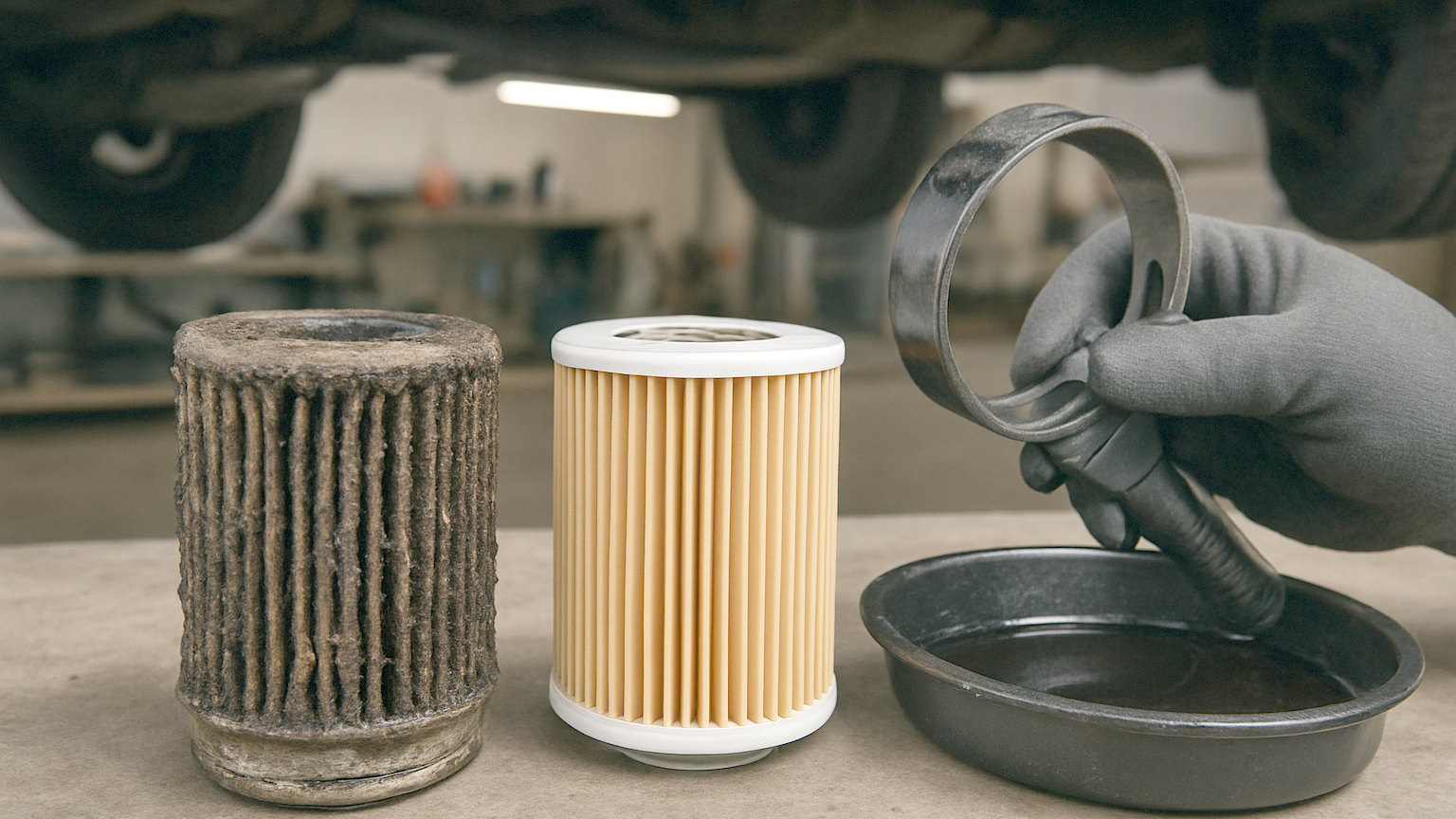
Oil change intervals have stretched enormously over the last few decades, from three thousand miles to twenty thousand or more on some long life schedules. Oils have genuinely improved, but the intervals also reflect commercial pressures around running costs and dealer servicing. The honest answer is that the right interval depends on how the car is driven, and most manufacturers publish a shorter severe service schedule that very few owners have ever been shown.
Why does oil need changing at all?
The base oil itself degrades slowly, but the additives do most of the work and they are consumed. Detergents hold soot and deposits in suspension, dispersants stop them clumping, anti-wear additives protect surfaces under high pressure, and alkaline reserves neutralise the acids formed by combustion. Once those are exhausted, the oil may still look and feel like oil while offering considerably less protection than it did when new.
What counts as severe service?
Far more ordinary driving than the name suggests. Frequent short journeys where the engine never fully warms, extensive stop and start town driving, towing, sustained high speed motorway running, dusty conditions, and long periods of idling all qualify. Most manufacturers list these in the handbook with a shorter recommended interval attached. A car doing a four mile commute twice a day is in severe service every single day, despite covering very few miles.
Why are short journeys so hard on oil?
Because the oil never reaches the temperature needed to evaporate the water and fuel that accumulate in it. Combustion by-products blow past the piston rings into the crankcase on every cold start, and only sustained running above operating temperature removes them. Oil in a car used exclusively for short trips is diluted, contaminated and acidic long before it has covered the mileage its interval allows.
What about variable service indicators?
Many cars calculate their own interval from engine temperature, load, revs, cold starts and mileage, and these systems are considerably better than a fixed figure. They are still estimates rather than measurements, since almost none actually test the oil itself. They also tend to be calibrated optimistically. Treating the indicator as an upper limit rather than a target is a reasonable approach, particularly on an engine with a known appetite for oil related problems.
Does time matter as well as mileage?
Yes, and it is regularly overlooked. Oil degrades through oxidation and acid formation whether the car moves or not, so a vehicle covering two thousand miles a year still needs an annual change. Moisture accumulates in a car that sits, and a low mileage car used for occasional short trips can have oil in considerably worse condition than a high mileage motorway car with twice the miles on the same oil.
Which engines are least forgiving?
Turbocharged engines, because the bearings run extremely hot and oil bakes into deposits that block the feed pipes. Engines with timing chains, since chain wear is strongly linked to oil condition. Engines with variable valve timing, which depend on clean oil flowing through very narrow passages. Modern diesels, which contaminate their oil with soot and with fuel during particulate filter regenerations. On any of these, a shorter interval is one of the cheapest forms of insurance available.
What is a sensible approach?
Follow the severe service schedule if your driving matches it, which for most people it does. Use the exact oil specification listed in the handbook rather than a general grade. Change the filter every time without exception. And keep the receipts, because a documented history of frequent changes is genuinely worth money when the car is sold and is the single best defence in any warranty discussion about an oil related failure.
Halving a long life interval costs the price of one extra oil change a year on most cars, which is a very small sum set against a timing chain, a turbocharger or a blocked oil pickup.


